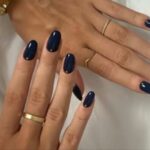
Nails are often viewed as canvases for art or tools for scratching, but they are actually complex structures made of a tough protective protein called alpha-keratin. They serve as mirrors to our overall health and provide essential protection to our sensitive fingertips and toes. Understanding the different types of nail structures and their functions can help us maintain better hygiene and recognize potential health warnings our bodies might be sending.
1. The Nail Plate

The nail plate is the most visible part of the nail—the hard, translucent structure we usually refer to as the “nail.” It is composed of many layers of dead, compacted keratin cells and contains no nerves or blood vessels, which is why cutting it doesn’t hurt. The plate’s primary job is to protect the soft tissue of the finger or toe from injuries. A healthy nail plate is typically smooth, curved, and pinkish due to the blood flow in the underlying bed.

2. The Nail Bed

The nail bed is the specialized skin beneath the nail plate that provides it with nutrients and blood supply. It is rich in blood vessels and nerves, which is why any injury to this area can be extremely painful and lead to bleeding. The nail plate sits firmly on the bed, and as new cells grow from the root, the plate slides forward over this tissue. The pink color you see through your nails is actually the healthy blood circulating within this bed.
3. The Lunula


The lunula is the white, crescent-shaped area at the base of the nail, often called the “half-moon.” It is actually the visible part of the nail matrix, where new nail cells are produced and pushed forward. While it is most prominent on the thumbs, it may be less visible or hidden under the skin on other fingers. Changes in the size, color, or shape of the lunula can sometimes indicate underlying medical conditions like anemia or cardiovascular issues.
4. The Cuticle (Eponychium)

The cuticle is the thin layer of dead skin that overlaps the base of the nail plate. Its main function is to act as a waterproof seal, protecting the gap between the skin and the nail from bacteria and fungi. Many people push back or cut their cuticles for cosmetic reasons, but doing so can increase the risk of infections like paronychia. Keeping the cuticle hydrated is essential for preventing hangnails and maintaining a healthy nail growth environment.
5. The Hyponychium

The hyponychium is the area of skin located directly underneath the free edge of the nail, where the nail plate leaves the fingertip. It forms a protective barrier that prevents pathogens and debris from entering the sensitive nail bed. Because this area is highly sensitive and contains many nerve endings, it is important not to clean too aggressively under the nails. A broken seal at the hyponychium can lead to the nail lifting away from the bed, a condition known as onycholysis.
Conclusion
In summary, our nails are much more than just decorative features; they are vital protective shields for our extremities. From the hard nail plate that guards our tips to the cuticle that seals out infection, every part plays a specific role in maintaining hand health. By paying attention to these five key structures, we can better care for our nails and use them as early indicators of our body’s internal well-being. Keeping them clean, hydrated, and protected is the best way to ensure they remain both functional and beautiful.